India’s handlooms are like poetry woven with threads, and among them, Ikkat holds a very special place. Known for its colourful patterns and soft texture, Ikkat is more than just fabric—it is the patience, imagination, and skill of Indian weavers.
Where Ikkat Comes From
The word Ikkat comes from the Malay-Indonesian word “Mengikat”, which means “to tie”. This weaving style has been around for centuries across the world, but in India it shines brightest in Odisha, Andhra Pradesh, Telangana, and Gujarat.
Each region calls it by a different name:
Odisha: Bandha
Andhra Pradesh & Telangana: Pochampally Ikkat or Telia Rumal
Gujarat: Patola
The Patola of Gujarat is one of the oldest and most admired forms of Ikkat, known for its fine detailing and royal touch.
How Ikkat Is Made
Ikkat is special because the design is created before weaving, not after.
Threads are tied and dyed with great care, colour by colour, exactly as per the design.
These dyed threads are then placed on a handloom.
As the weaving begins, the patterns slowly appear—almost like magic unfolding on cloth.
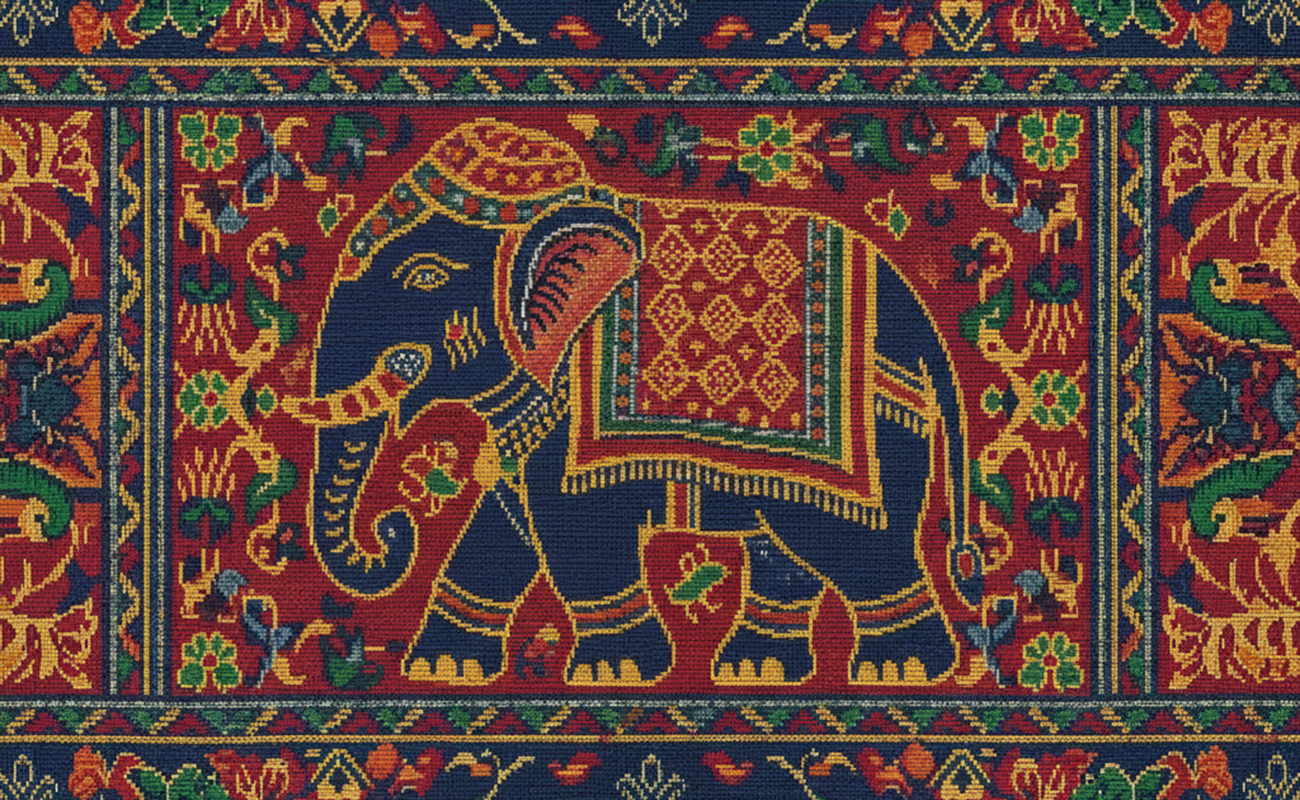
The designs often feature diamonds, flowers, geometric shapes, and traditional motifs. It is delicate work—one tiny mistake in tying or dyeing can change the whole look. That’s why Ikkat is a true test of patience and craftsmanship.
Why Ikkat Matters
Ikkat is not just a weaving style—it’s a living heritage.
It shows the creativity and dedication of Indian weavers, many of whom have learned the art from their parents and grandparents.
The use of natural dyes and hand processes keeps it close to nature.
The bright patterns and colours often reflect festivals, rituals, and everyday life—making every piece of Ikkat a story of India.
So, whether it’s a Pochampally saree, a Patola dupatta, or an Odisha Bandha stole, remember—every Ikkat fabric carries generations of skill, tradition, and Indian pride.